
Cold Water Shock
Cold water shock is an involuntary response to the body being suddenly or unexpectedly immersed into water which has a temperature of less than 15 °C.
Your body’s reaction to cold water shock will affect your ability to move and may seriously affect your breathing and cardiovascular system.
In this video the paralympic athlete Toni Shaw explains cold water shock.

What happens?
As an automatic response to falling into cold water, blood vessels in your skin will close and the output from your heart will rise causing your blood pressure to increase; this will put your heart under strain and could cause a heart attack.
The sudden cooling of the skin can also make you gasp involuntarily and increase your breathing rate which can cause you to panic, inhale water and potentially drown.
What can you do?
If you unintentionally fall into the water: don’t try to swim straight away. Fight your instinct to swim hard or thrash about. Try to remain calm, relax, turn onto your back and float with your arms and legs extended. Once floating, and the initial effects of cold water shock have passed (about 90 seconds), call for help and look around for anything that can be used to help you float or get out of the water.
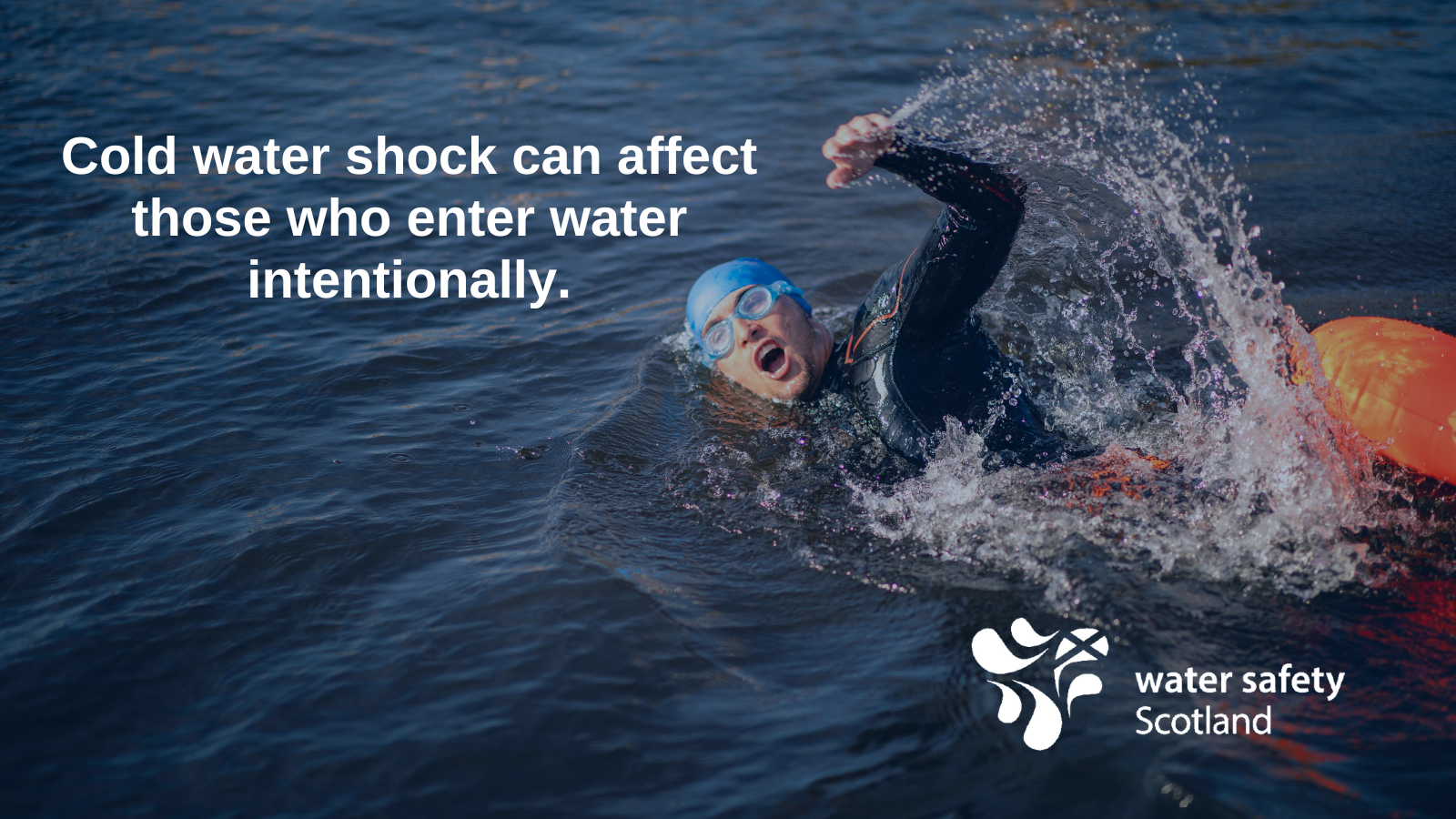
If you are intentionally in the water for an activity: Check the weather and conditions before entering the water & Wear a wetsuit or drysuit and a personal floatation device appropriate to the activity you wish to carry out.
Float to Live
Simple, easy-to-recall advice for those that find themselves in trouble whilst in the water. The advice is straightforward: if you get into difficulty.... Float To Live.
What is the risk?
Everyone that falls into the water unexpectedly has the same instinct: to swim hard and to fight the cold. Cold water shock causes an individual to gasp uncontrollably with the very dangerous consequence of water entering the lungs, leading to potentially fatal results.
How to minimise the risk
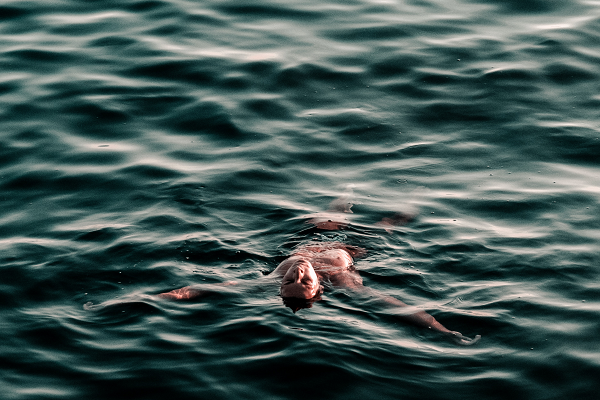
If you find yourself in trouble in the water, you can help yourself get back to safety by learning to float. Floating minimises your risk of gasping uncontrollably and breathing in water, which can quickly lead to drowning.
Follow these key Float to Live steps:
- Fight your instinct to thrash around.
First, keep calm and try not to panic. Your instinct will be to swim hard - don't.
- Lean back
Lean back - extending your arms and legs, to keep your mouth and nose out of the water and your airway clear.
- Gentle movements
If you need to, gently move your arms and legs in a sculling motion (a bit like when using an oar in a boat) to help you float.
- Catch your breath
Float until you can control your breathing. Do this for 60-90 seconds or until you feel more calm.
- Now, think about how to get out
Only now can you think about the next steps. If you can, swim to safety. If someone is nearby, raise a hand and call for help.